Learn CRAFT Directly from Its Creator — At No Cost
Community Reinforcement & Family Training (CRAFT) is one of the most effective, evidence-based approaches for engaging families and improving treatment outcomes in Substance Use Disorder (SUD) care.


Community Reinforcement & Family Training (CRAFT) is one of the most effective, evidence-based approaches for engaging families and improving treatment outcomes in Substance Use Disorder (SUD) care.
People with substance use disorder (SUD), particularly those who inject drugs, face a significantly higher risk of contracting HIV, hepatitis B (HBV), and hepatitis C (HCV) 1-3. Together, these infections, combined with the ongoing opioid crisis, create a dangerous syndemic that continues to threaten lives and strain treatment systems.
On October 3, 1990, Tully Hill Treatment & Recovery opened its doors with a straightforward and powerful mission: to provide appropriate, cost-effective, high-quality care for individuals and families impacte

After many months of advocacy and support from substance use disorder and mental health organizations, the United States Senate passed the Support Act by an overwhelming bipartisan vote. NAATP has encouraged passage for months. The legislation, which had previously passed the House of Representatives, now goes to the President.
Richmond, VA – September 2025 – Recovery Consulting is proud to announce that its Executive Director, Jessica Swan, has been awarded the prestigious Bill Callahan Leadership Award by NAADAC, the Association for Addiction Professionals.

Celebrating 20 Years of Jaywalker
September is National Recovery Month, a time to celebrate the courage of individuals in recovery, the families who walk beside them, and the providers who make recovery possible.
In the 2025 FoRSE Annual Summary (page 22), we presented visualizations of the average length of stay (LOS) across eight levels of care.
Ludlow, VT – September 10, 2025 — The Divided Sky Foundation today announced the launch of a Women’s Scholarship Fund, designed to address the unique barriers women face when seeking treatment for addiction. The Fund will provide financial support so that women — regardless of income — can access a dignified and empowering path to recovery.
Rosecrance Behavioral Health is proud to celebrate the 77,336 individuals who have been empowered to find lasting recovery with Rosecrance during the 2025 fiscal year.
This significant milestone is more than a number. It represents individuals and families that were transformed through Rosecrance’s diverse range of behavioral health services, which continue to grow.
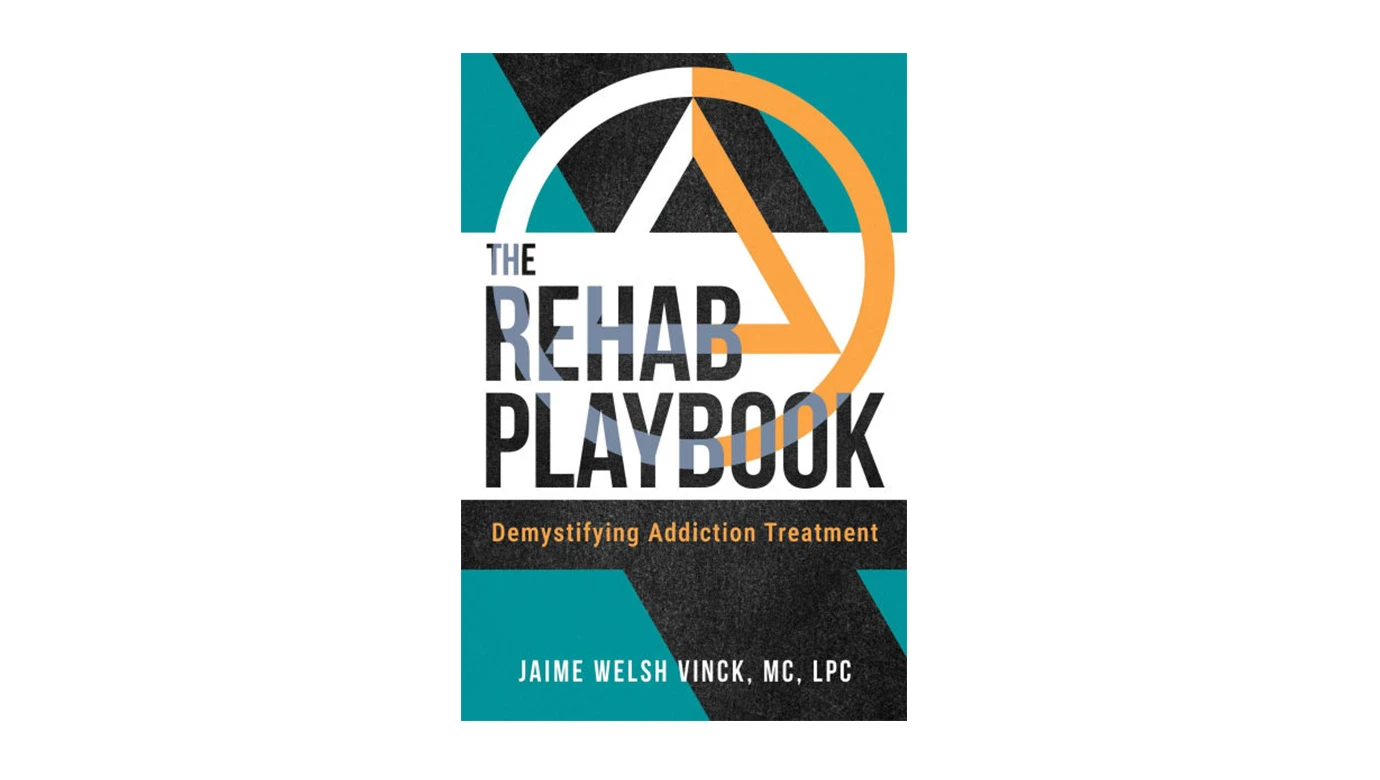
As the nation observes National Recovery Month, NAATP is proud to spotlight a new resource from Board Vice Chair Jaime Vinck, MC, LPC, President of Meadows Behavioral Healthcare.
Rosecrance Behavioral Health, a nonprofit substance use disorder (SUD) provider, has acquired Ascend CHC, expanding its Rosecrance Therapies services to include eating disorder treatment and sports/performance counseling. Now operating as “Rosecrance Ascend,” the acquisition adds a small number of staff but several hundred new clients.

When it comes to navigating the journey of addiction and recovery, having a knowledgeable and compassionate leader can make all the difference. Jeff Jay stands out as one of those guiding lights. As President and CEO of Borden Cottage, Jeff brings over 30 years of experience and clinical expertise to leading a highly specialized team.
Earlier this month, the American Society of Addiction Medicine (ASAM) hosted a webinar bringing together representatives from payer and provider organizations to discuss implementation of The ASAM Criteria, 4th Edition.

Our Survey Serves as a Leadership Guide to Attracting and Maintaining Top Talent in a Challenging Workforce Environment
We’re proud to share that the Trait-Based Model of Recovery, developed by Dr. Jason Roop and implemented across multiple residential and outpatient programs, has been published in Scientific Reports (Nature Portfolio), one of the most widely read and respected peer-reviewed journals in the world.
The study revealed powerful clinical outcomes:
The U.S. Senate just passed by the narrowest margin possible, the reconciliation bill which only needs a majority vote in the Senate. The legislation includes an extension of the President’s tax cuts and must then be offset by reductions in other spending programs. Since changes were made in the Senate to the previously passed House bill, the House of Representatives must reconsider it.
Senate Republicans unveiled their version of the reconciliation bill which includes President Trump’s tax cut extensions. To offset the cost of those extensions it also includes reductions in numerous federal programs and proposes deep cuts to Medicaid.