
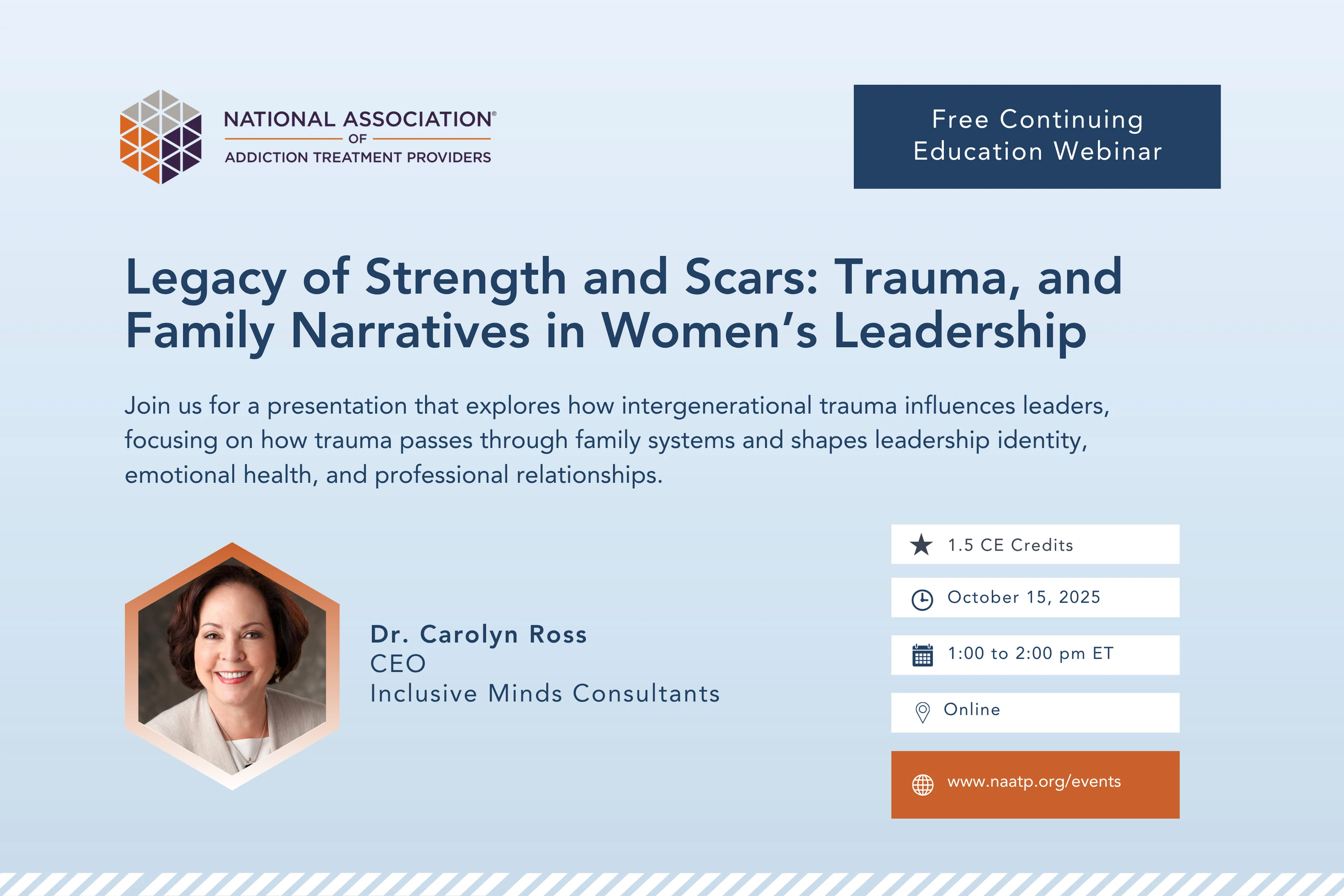
This presentation explores how intergenerational trauma influences leaders, focusing on how trauma passes through family systems and shapes leadership identity, emotional health, and professional relationships. Intergenerational trauma—also called generational or transgenerational trauma—refers to the transmission of traumatic experiences, emotional patterns, and coping strategies across generations through family stories, learned behaviors, and even biological processes. Among women in leadership, this legacy often appears as self-doubt, perfectionism, chronic stress, and relationship challenges, all rooted in early family dynamics influenced by unresolved trauma. The presentation examines both the psychological burdens and resilience strategies that female leaders develop in response. It offers a framework for understanding the connection between trauma and leadership, outlining paths for healing, empowerment, and relational growth within families, organizations, and communities.
Learning Objectives:
Understand Mechanisms: Clarify how intergenerational trauma is transmitted through family narratives and workplace systems.
Analyze Impacts: Examine the dual role of trauma in both stifling leadership potential and fostering resilience, empathy, and inclusive leadership.
Propose Solutions: Offer strategies for organizations to address systemic inequities by integrating trauma-informed frameworks.
Dr. Carolyn Ross is a specialist in addiction medicine, eating disorders, and trauma and is a consultant dedicated to helping healthcare, eating disorder and addiction treatment centers expand into new markets, enhance patient care, and recruit exceptional talent.