
Across the United States, behavioral health providers are facing a growing challenge: how to expand access to meaningful, high-quality care in communities where mental health needs continue to rise faster than available resources. Florida’s Gulf Coast region is no exception. As population growth accelerates and mental health concerns increase nationwide, the demand for residential treatment programs capable of providing structured, evidence-based care has become more urgent than ever.
In response to these growing needs, treatment providers across the country are exploring new ways to expand services, strengthen local partnerships, and reduce barriers to care. One example of this broader movement is the recent opening of a residential mental health treatment facility in Florida’s West Coast region by Banyan Treatment Centers.
The expansion of residential mental health services in Florida highlights an important conversation within the behavioral health field, how providers can respond to rising demand while maintaining clinical quality, accessibility, and community engagement.
The Growing Demand for Mental Health Treatment
Over the past decade, mental health conditions have become increasingly prevalent across the United States. Anxiety, depression, trauma-related disorders, and other psychiatric conditions continue to affect millions of individuals each year. While awareness of mental health issues has improved significantly, access to appropriate care has not kept pace with the growing need.
In Florida, these challenges are particularly visible. Statewide health data indicates that one in five adults report experiencing a mental illness each year. Despite this, many individuals still face delays in receiving care due to provider shortages, financial barriers, or limited availability of specialized treatment programs.
Communities along Florida’s west coast, including the Tampa Bay area and surrounding counties, have experienced rapid population growth in recent years. As the population increases, so does the demand for mental health services. Local health assessments have found that a notable percentage of residents report experiencing symptoms of depression, anxiety, or other behavioral health concerns. At the same time, individuals and families often struggle to find timely access to treatment programs that provide structured, intensive support.
For many individuals experiencing moderate to severe mental health conditions, outpatient therapy alone may not provide the level of stabilization required. In these cases, residential treatment programs can play a critical role in helping individuals receive comprehensive care in a safe, structured environment.
The Role of Residential Mental Health Treatment
Residential mental health treatment programs provide a higher level of clinical care for individuals experiencing significant psychiatric symptoms or complex behavioral health challenges. Unlike outpatient services, residential treatment allows individuals to step away from daily stressors and focus fully on stabilization and recovery.
Within residential programs, patients typically receive a combination of clinical services that may include:
- Comprehensive mental health evaluations
- Medication management
- Individual therapy
- Group therapy
- Trauma-informed treatment approaches
- Structured daily programming
- Skills development for emotional regulation and coping
This level of care is particularly important for individuals experiencing severe depression, anxiety disorders, trauma-related conditions, or other complex mental health challenges that require consistent clinical oversight.
Residential treatment programs also allow clinicians to closely monitor progress, adjust treatment plans in real time, and provide a supportive therapeutic environment where patients can begin rebuilding emotional stability and resilience.
For many individuals, residential care can serve as an important turning point in the recovery process, providing the foundation needed to transition into outpatient therapy and long-term mental health support.
Addressing Regional Gaps in Behavioral Health Care
One of the most significant challenges facing the behavioral health field is the uneven distribution of treatment resources across different regions. In many communities, particularly those experiencing rapid population growth, the availability of specialized mental health services has not kept pace with demand.
The Tampa Bay region represents one such area. While the region is home to a diverse network of healthcare providers, many individuals still encounter difficulties accessing residential behavioral health programs. Waitlists, geographic barriers, and limited program availability can delay care for individuals who require immediate clinical support.
Expanding residential mental health treatment options in areas like Tampa can help address these gaps by providing individuals and families with additional pathways to care. Increased program availability may also help reduce pressure on emergency departments and crisis services, which often become default entry points for individuals experiencing acute mental health crises.
From an industry perspective, these expansions represent an important step toward building a more comprehensive continuum of behavioral health care within growing communities.
A New Residential Mental Health Program in Tampa
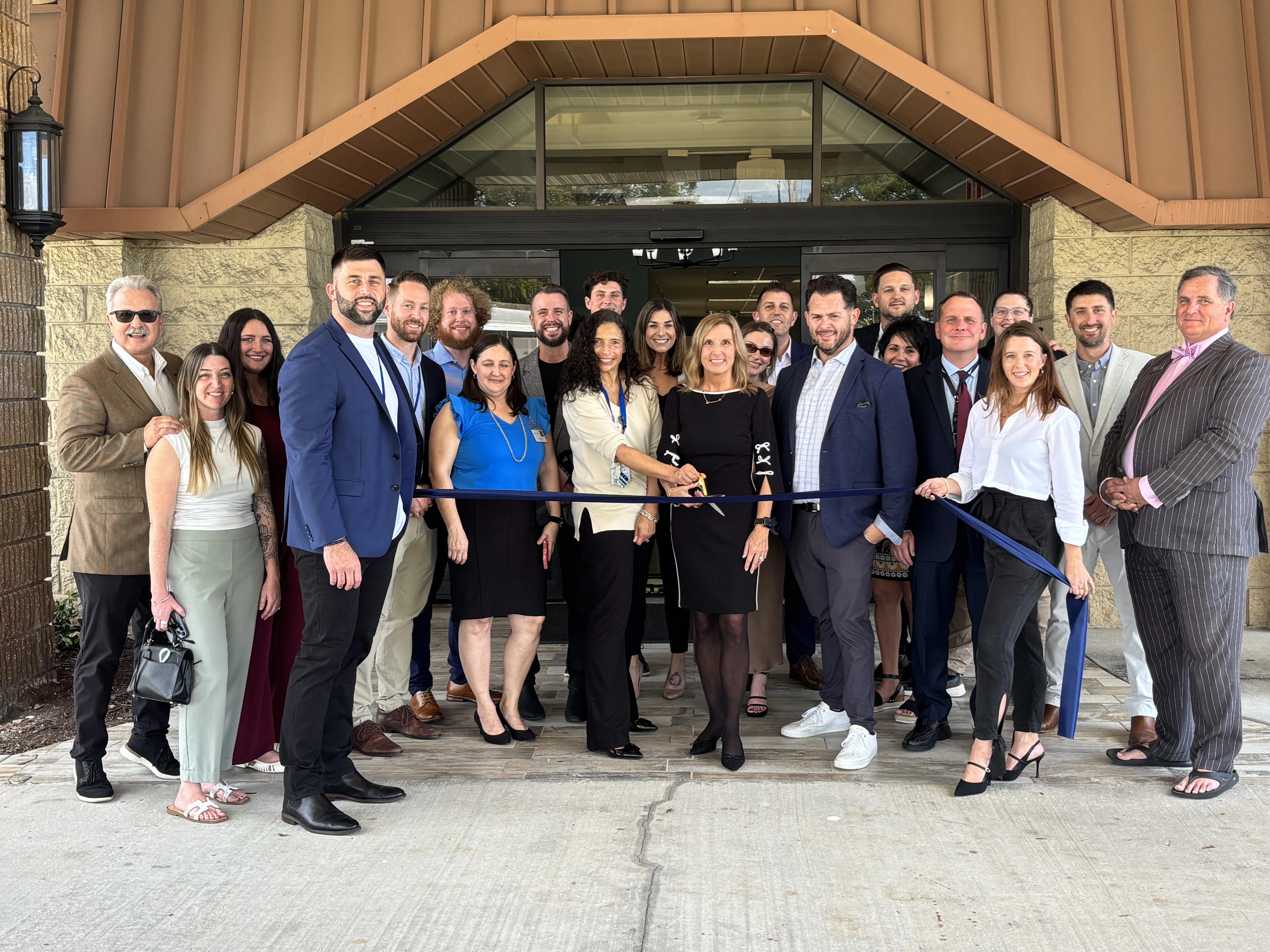
Against this backdrop of increasing demand, Banyan Treatment Centers recently opened a residential mental health treatment facility in Tampa Bay serving adults throughout Pinellas County and surrounding communities.
The facility is designed to provide structured residential care for individuals experiencing a variety of mental health conditions, including depression, anxiety disorders, trauma-related disorders, and other complex behavioral health challenges. Through individualized treatment planning and therapeutic programming, the program aims to help patients stabilize symptoms, develop coping strategies, and begin the process of long-term recovery.
According to Banyan Treatment Centers CEO John Sory, the expansion reflects the organization’s commitment to responding to growing mental health needs within Florida.
“Our mission has always been to expand access to high-quality behavioral healthcare in communities that need it most,” Sory said. “By bringing residential mental health treatment to the Tampa Bay region, we hope to provide individuals and families with the support, stability, and care they deserve.”
The facility will serve adults experiencing a range of mental health conditions and is intended to function as part of a broader continuum of care that supports individuals at different stages of recovery.
Creating Supportive Treatment Environments
Beyond clinical services, residential mental health facilities play an important role in creating environments where individuals feel safe, supported, and understood. For many individuals' entering treatment, the opportunity to step away from daily stressors and focus on healing can make a significant difference in their recovery journey.
According to Reid Jayme, Executive Director of Banyan Tampa, the goal of the new facility is to provide a structured yet compassionate environment where individuals can begin rebuilding stability.
“Mental health challenges affect individuals and families throughout the Tampa Bay community,” Jayme said. “Our goal is to create a supportive environment where individuals can focus on healing, regain stability, and develop the tools they need to move forward.”
This emphasis on therapeutic environment reflects a broader shift within the behavioral health field toward trauma-informed care, patient-centered treatment planning, and integrated clinical approaches.
The Importance of a Full Continuum of Care
While residential treatment programs provide critical stabilization services, they are most effective when integrated into a broader continuum of care. Behavioral health providers increasingly recognize the importance of offering multiple levels of treatment that support individuals throughout different stages of recovery.
These levels of care may include:
- Medical detoxification
- Residential treatment programs for stabilization
- Partial hospitalization programs (PHP)
- Intensive outpatient programs (IOP)
- Telehealth treatment services
- Standard outpatient programs
This continuum allows patients to transition gradually between levels of care as their needs evolve, ensuring continuity of treatment and reducing the risk of relapse or symptom recurrence.
For treatment providers, building this continuum often requires coordination across multiple facilities, clinical teams, and community partners. With multiple facilities located throughout Florida, Banyan Treatment Centers is uniquely positioned to support patients across the full continuum of mental health care. This statewide presence allows for seamless transitions between levels of care, improved accessibility for local communities, and a more cohesive, long-term approach to treatment and recovery.
Reducing Stigma and Expanding Mental Health Awareness
As new treatment facilities open across the country, they also contribute to a larger cultural shift in how mental health is understood and discussed. Organizations like Banyan Treatment Centers, with a growing presence across Florida and nationwide, play an important role in increasing visibility around mental health care and making treatment more accessible within local communities.
Public awareness campaigns, expanded insurance coverage, and increasing conversations around mental health have helped reduce stigma and encourage more individuals to seek support. However, stigma remains a barrier for many people. Individuals experiencing mental health conditions often delay seeking care due to fear, misunderstanding, or lack of information about available treatment options.
Expanding treatment infrastructure, through providers like Banyan that offer multiple levels of care across regions, helps address this challenge by normalizing mental health care and embedding services within the communities they serve. When individuals know that trusted treatment resources exist nearby, they may feel more empowered to seek support earlier in the course of their mental health journey.
Looking Ahead: Expanding Behavioral Health Infrastructure
The opening of new residential mental health programs reflects a broader shift within the behavioral health industry toward expanding treatment capacity and improving access to care. While significant challenges remain, including workforce shortages, insurance barriers, and regional disparities, the continued development of treatment facilities represents meaningful progress in addressing the nation’s mental health needs.
As providers continue to explore innovative approaches to treatment delivery, collaboration among organizations, policymakers, and community stakeholders will remain essential. Expanding access to care requires not only new facilities but also strong partnerships, sustainable funding models, and ongoing investment in clinical workforce development.
For communities across Florida’s Gulf Coast and beyond, increasing the availability of residential mental health services represents an important step toward ensuring that individuals experiencing behavioral health challenges have access to the care they need.
About Banyan Treatment Centers
Banyan Treatment Centers is a national provider of addiction and mental health treatment services with facilities located across the United States. The organization offers a continuum of care that may include medical detoxification, residential treatment, partial hospitalization programs, intensive outpatient programs, and Telehealth services.
Through clinically proven care, individualized treatment planning, and multidisciplinary clinical teams, Banyan Treatment Centers aims to support individuals working toward long-term recovery and improved mental health.